Your Heart Health After a Complicated Twin Pregnancy
Your babies had a medical history. So did you. This guide explains which parts of a complicated twin pregnancy may matter to your heart health and helps you record your history and prepare questions for your clinician.
Download My Pregnancy & Heart Health Appointment SheetWhat Should I Tell My Clinician?For organizations: Share this resourceA free resource for families and the organizations that support them
This guide is for mothers after twin and multiple pregnancies and for the foundations, parent communities, teams that treat babies before birth, neonatal intensive care units (NICUs) and healthcare professionals who support them.
Organizations are welcome to share this page directly with families. No registration, email address or payment is required.
I know how easy it is to disappear from your own medical story.
My identical twin sons, Peter and Maurice, developed Stage 3 twin-to-twin transfusion syndrome (TTTS) during my pregnancy.
I was a physician assistant. I had spent years working in medicine. And still, when my own pregnancy became complicated, I was a mother trying to understand what was happening to my babies and what we needed to do next.
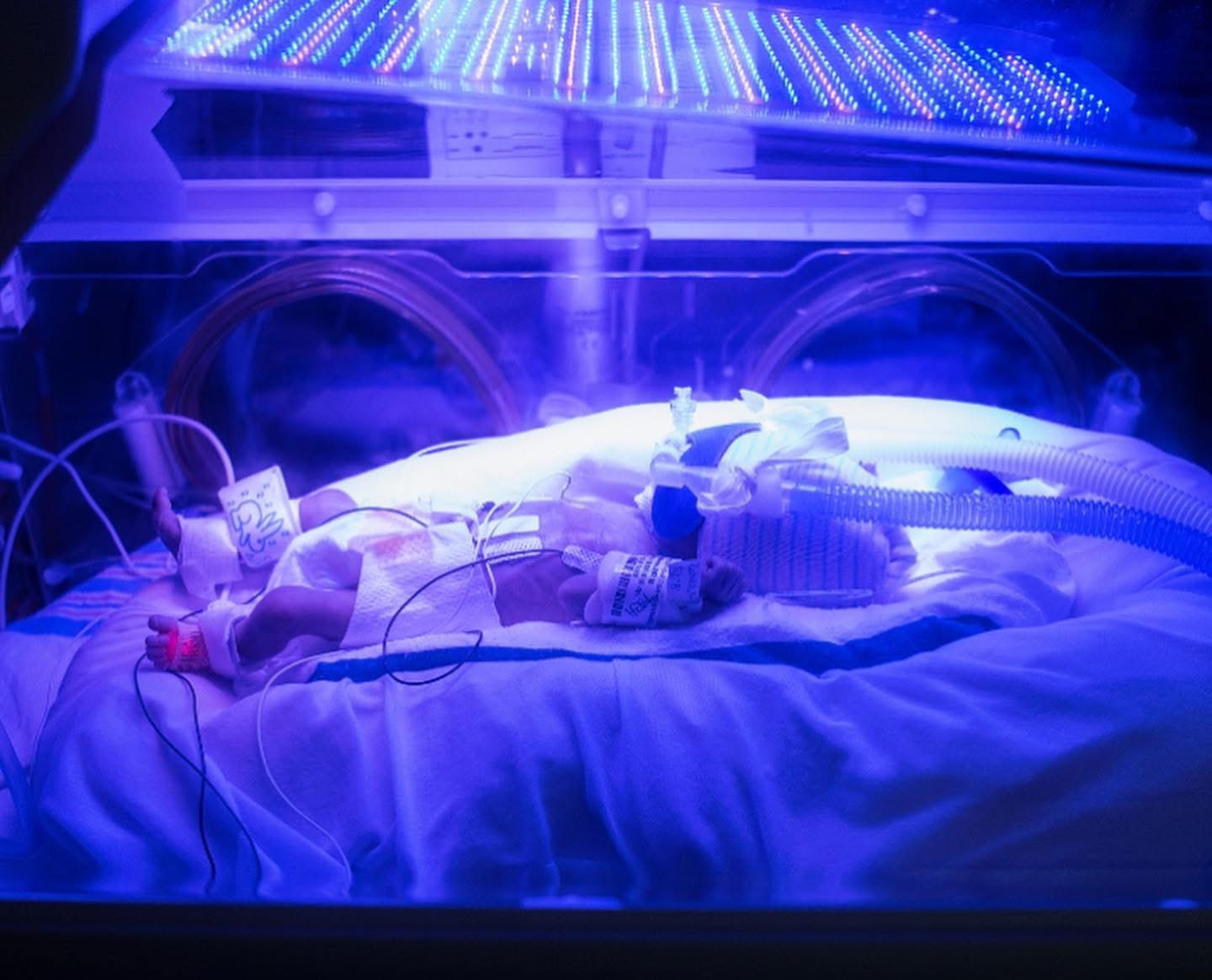
I underwent laser surgery during pregnancy in Miami. Ten days later, my sons were delivered by emergency C-section at 28 weeks and 5 days. Then came the neonatal intensive care unit (NICU).
For months, almost every number I knew belonged to them.
Their weights. Their oxygen. Their feeds. Their scans. Their milestones. The number of days until each of them could finally come home.
That is what happens when your babies are sick. Your attention goes where it has to go.
But something had happened to my body too.
My pregnancy was part of my medical history, not only my sons’ medical history.
Years later, as I began looking more deeply at women’s heart health, I kept coming back to that distinction.
They are not the same story. TTTS, TAPS or selective growth restriction does not mean a mother has heart disease. But carrying twins and some pregnancy complications affecting the mother can be important to a mother’s heart care.
That is why I made this resource. Not to give another mother one more thing to worry about. To help her carry her own story forward too.
Does carrying twins affect a mother’s heart?
Carrying twins can increase the risk of certain heart problems during pregnancy and after delivery. Multiple pregnancy is a recognized risk factor for peripartum cardiomyopathy, an uncommon type of heart failure in which the heart muscle becomes weak late in pregnancy or in the months after birth.
Research has also found more hospital stays for heart or blood-vessel problems during the first year after a twin birth than after the birth of one baby. That does not mean most twin mothers will develop heart failure, or that carrying twins automatically predicts heart disease decades later. Timing, complications affecting the mother and her health now all matter.
Identical twins. Different sizes.

Peter and Maurice are identical twins. But during pregnancy, they were not growing equally.
Maurice had selective intrauterine growth restriction (sIUGR), now also commonly called selective fetal growth restriction (sFGR). In twins who share a placenta, one baby can receive a smaller share of that placenta. That can limit growth.
sIUGR is not another name for TTTS. They are different conditions, although they can occur in the same pregnancy.
In TTTS, the donor twin sends more blood to the other baby than comes back. The baby receiving that extra blood is called the recipient twin.
In our pregnancy, Maurice was the donor twin and the twin affected by selective growth restriction.
Maurice weighed less than two pounds.
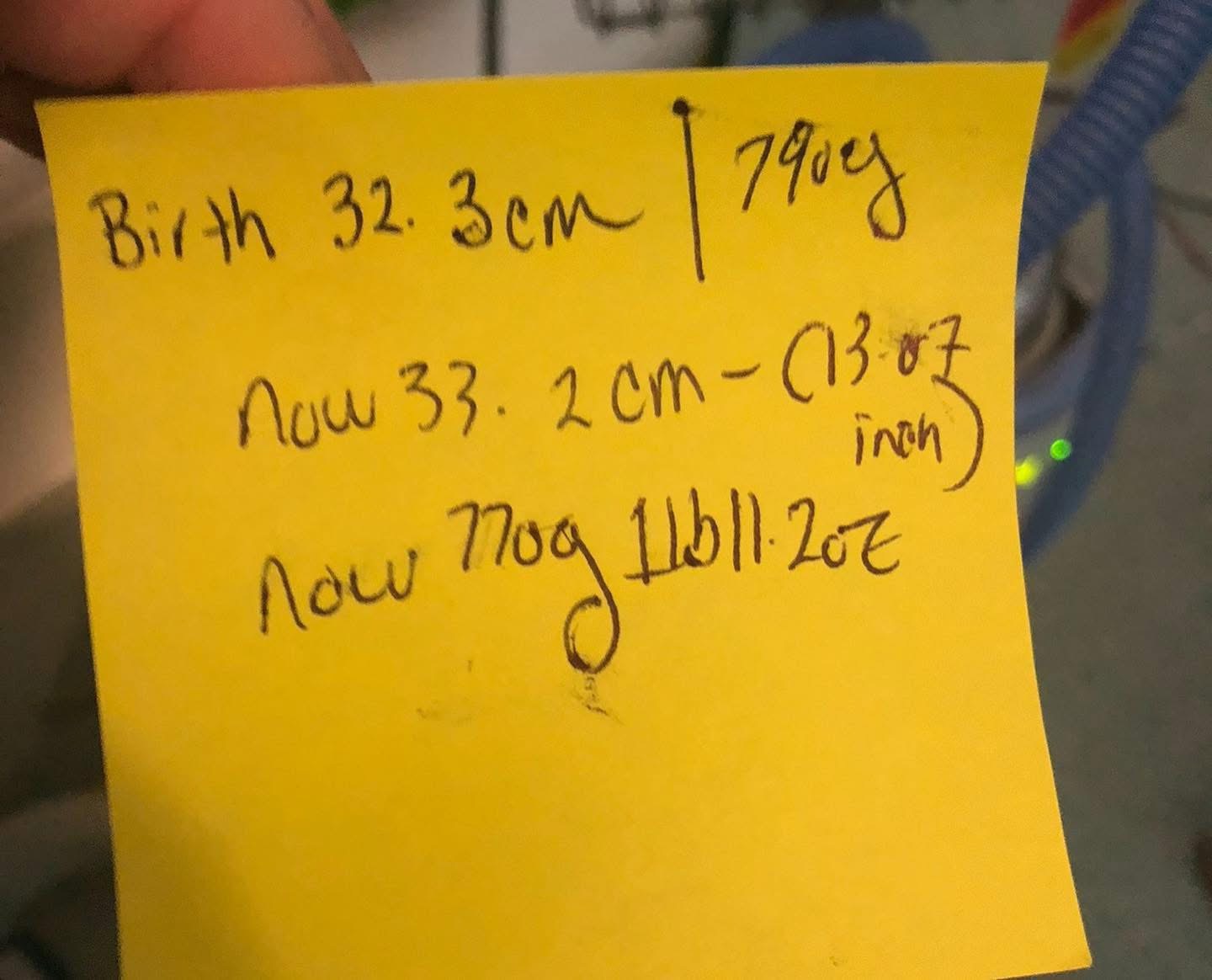
Those numbers mattered enormously to his care. But they also raise a question mothers may never be told to ask: does a baby’s growth restriction tell us anything about the mother’s health?
Having a baby who did not grow as expected can be an important part of a mother’s pregnancy history. Research from pregnancies with one baby cannot automatically tell us what selective growth restriction in twins means for the mother’s future heart health.
So we record it. We do not turn it into a diagnosis for the mother. And we ask.
TTTS, TAPS and sIUGR: what do they mean for Mom?
TTTS
When twins share one placenta, blood can flow unevenly between them through blood vessels that connect their circulations.
Twin anemia polycythemia sequence (TAPS)
When twins share one placenta, very small blood-vessel connections can slowly move blood from one twin to the other, leaving one with too few red blood cells and the other with too many.
sIUGR / sFGR
We do not yet know that selective growth restriction caused by unequal placental sharing, by itself, raises a mother’s future heart risk.
TTTS and TAPS are not diagnoses of heart disease in the mother. Neither has been shown, on its own, to predict a mother’s heart disease later in life.
What happened to your babies? What happened to you?
Both belong in your pregnancy story. Keep them separate so your clinician can see the whole picture without confusing a condition affecting a baby with one affecting the mother.
Your babies and pregnancy
- □ TTTS
- □ TAPS
- □ sIUGR / sFGR
- □ Other complication affecting a baby or the placenta
- □ Surgery or another procedure to treat a baby before birth
- □ How many weeks pregnant you were when you delivered
- □ Reason for early delivery, if known
Your own health
- □ High blood pressure during pregnancy
- □ Preeclampsia (a condition during pregnancy or after birth involving high blood pressure that can affect organs such as the kidneys or liver)
- □ Gestational diabetes (high blood sugar that develops during pregnancy)
- □ Heart failure / cardiomyopathy / another diagnosed heart problem
- □ Blood clot
- □ Mirror syndrome, if diagnosed (a rare condition in which the mother develops swelling along with abnormal fluid buildup in the baby and placenta)
- □ Other complication affecting your own health
- □ Treatment received
- □ Follow-up recommended
Put your pregnancy history in one place.
The appointment sheet helps you record what happened during the pregnancy, what happened to you, what you know about your health now, and what you want to ask.
Download My Pregnancy & Heart Health Appointment SheetNo email or registration required. This is an appointment-preparation tool, not a risk calculator or diagnosis.
Five questions to take to your clinician
- Does anything that happened during my pregnancy change what you recommend for my heart health now?
- Is my blood pressure where you want it to be?
- Should we review my cholesterol, blood sugar or previous results?
- Is there anything from my pregnancy history we should follow over time?
- When should we check again?
If you do not know what to ask, start with #1.
If your pregnancy was years ago
Bring it up anyway. You can say: “I realized I’ve never really told you what happened during my twin pregnancy. Could any of it matter to my heart health now?”
If you are living with loss
This resource is for you too. Your pregnancy remains part of your medical history whether you brought home two babies, one baby or neither. You do not have to repeatedly tell the most painful parts of your story to receive care for yourself. Share what you are comfortable sharing and ask for the relevant medical history to be recorded.
When not to wait
Do not use this guide to decide whether a severe symptom is safe. Seek urgent medical care for new or unexplained chest pain or pressure, significant difficulty breathing, fainting, or a racing heartbeat with chest pain or breathlessness.
Connection changed our story.
Connection has always been at the center of what I do because connecting with other mothers ultimately helped save my sons.
When our pregnancy became frightening, my search led me to Mary Slaman, founder of the Twin to Twin Transfusion Syndrome Foundation, and to a community of mothers who understood a diagnosis I was only beginning to understand myself.
Then, on Palm Sunday night, a mother I had never met sent me a message through the parent community on Facebook. She gave me Dr. Ruben Quintero’s phone number and told me to call.
I called. He answered.
That connection led us to The Fetal Institute in Miami, where my sons were evaluated and treated. I underwent laser surgery during pregnancy for Stage 3 TTTS. I remember Dr. Quintero explaining afterward that he had encountered very large blood-vessel connections and had used a highly selective approach to manage the circulation between my donor and recipient twins. The exact operative terminology belongs in the medical record; this is how I remember his explanation as their mother.
That mother did not diagnose me. She listened to my story, recognized something in it and shared what she knew. Another parent’s experience should never replace medical advice. But another mother’s story helped me find the medical care we needed.
Years later, I realized there was another connection I had missed. I knew my sons’ medical history by heart. But that pregnancy was part of my medical history too.
That is part of why I built HEART RESERVE: to help women connect the important pieces of their own health story and know what to ask next.
Trusted resources
Twin to Twin Transfusion Syndrome Foundation
Founded by Mary Slaman. Information and support for families affected by TTTS and other complications in twins who share one placenta.
TAPS Support Foundation
Parent-founded education, advocacy and support around Twin Anemia Polycythemia Sequence and pregnancies in which twins share one placenta.
Dr. Ruben Quintero and The Fetal Institute
The center that evaluated and treated my sons before birth. I include it because it is part of my family’s story, not because one physician, center or treatment is right for every pregnancy.
Evidence behind this resource
American Heart Association: Peripartum Cardiomyopathy
Heart and blood-vessel hospital readmission after twin pregnancy
Longer-term heart and blood-vessel disease after twin pregnancy and high blood pressure in pregnancy
American Heart Association: Pregnancy complications and later heart and blood-vessel risk
Society for Maternal-Fetal Medicine: TTTS and TAPS guidance
CDC: Urgent Maternal Warning Signs
Definitions: NICHD: Preeclampsia; NIDDK: Gestational diabetes; Johns Hopkins Medicine: Donor and recipient twins; Clinical study: Mirror syndrome.
This resource provides general education and appointment preparation. It does not diagnose disease, calculate individual risk or replace medical care. Review status: This resource has not yet undergone independent clinical review.